
Training | Consulting | Practice Labs
Tuesday, March 1, 2022
Kent Water Sports pivots during COVID-19 with Dynamics 365

Wednesday, May 26, 2021
Australian National University (ANU) addresses the computing demands of genome research

Wednesday, September 9, 2020
Overview of Microsoft Azure Cloud Services
Azure Cloud Services is an example of a platform as as service (PaaS). Like Azure App Service, this technology is designed to support applications that are scalable, reliable, and inexpensive to operate. In the same way that App Service is hosted on virtual machines (VMs), so too is Azure Cloud Services. However, you have more control over the VMs. You can install your own software on VMs that use Azure Cloud Services, and you can access them remotely.
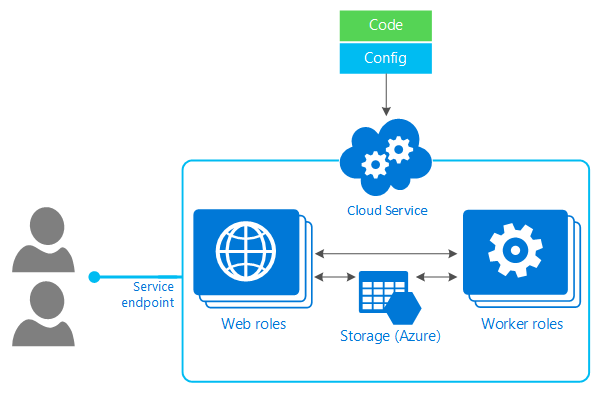
More control also means less ease of use. Unless you need the additional control options, it's typically quicker and easier to get a web application up and running in the Web Apps feature of App Service compared to Azure Cloud Services.
There are two types of Azure Cloud Services roles. The only difference between the two is how your role is hosted on the VMs:
Web role: Automatically deploys and hosts your app through IIS.
Worker role: Does not use IIS, and runs your app standalone.
Dynamics 365 Fundamentals
Dynamics 365 is a multi-faceted tool for customer engagement, unified operations, marketing, retail and talent management. This course will familiarize the learner with Dynamics 365 functionality and business value. The course will cover Dynamics 365 applications, the Power Platform, cloud concepts, the security model, and licensing considerations.
Job role: Functional Consultant